Sesbania in Crop Rotation – Building Soil Fertility Season After Season
Overview
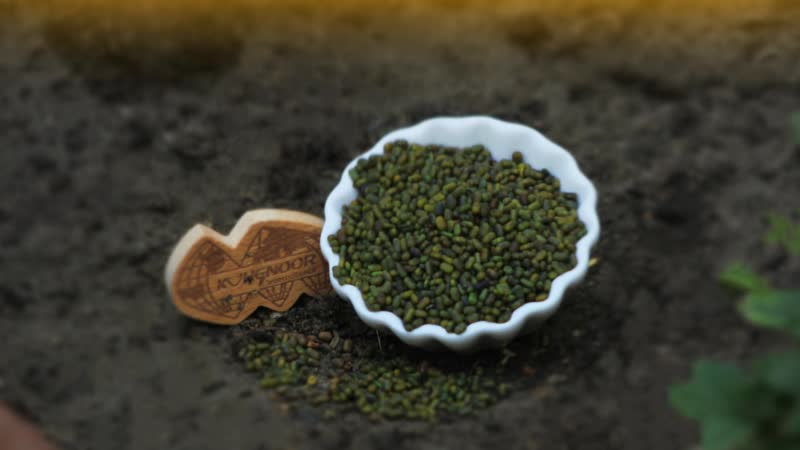
Incorporating sesbania into crop rotation cycles is one of the most cost-effective strategies for maintaining soil fertility and breaking pest-disease cycles. A single sesbania green manure crop between two cereal harvests can replenish soil nitrogen reserves depleted by the preceding grain crop.
Details
Research demonstrates that rice grown after sesbania green manure consistently yields 15-30% more than rice following rice or fallow. The yield benefit extends beyond nitrogen — sesbania incorporation also improves soil phosphorus availability through organic acid production during decomposition and enhances micronutrient cycling.


Why Choose Us
Common rotation patterns include sesbania-rice (single crop), sesbania-rice-wheat (annual), and maize-sesbania-maize (biannual). The optimal rotation depends on your climate, soil type, and cropping intensity. Our agricultural advisory team can help design a rotation plan tailored to your conditions.
Get a Free Quote on WhatsApp
Chat on WhatsApp: +923104929292Connect on WeChat

WeChat ID: usmanhayat