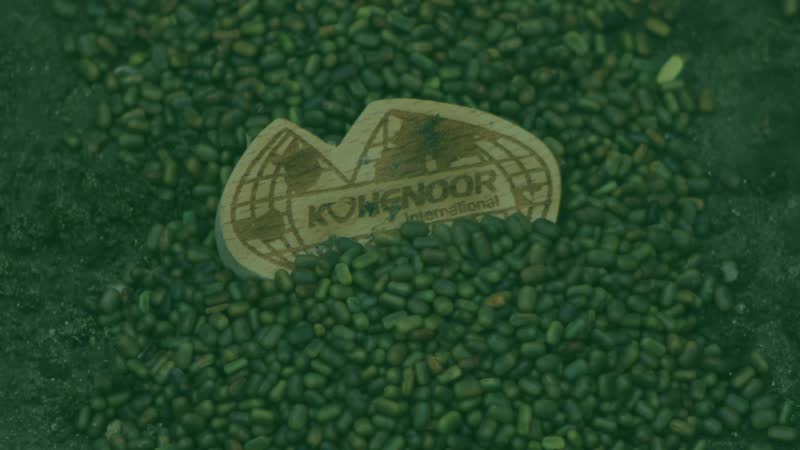
Premium Sesbania Seeds for Southeast Asia's Rice-Farming Nations

From the Mekong Delta to the plains of Java — Kohenoor International delivers high-purity sesbania seeds that restore soil fertility, reduce fertilizer costs, and boost rice yields across ASEAN.

98-99% Seed Purity Guaranteed
80-120kg Nitrogen Fixed / Hectare
67+ Years of Export Excellence
70+ Countries Served Worldwide

See Our Sesbania Seeds in Action

Watch how Kohenoor International's premium sesbania seeds are cultivated, processed, and prepared for export to Southeast Asian markets.

Why Southeast Asia Needs Sesbania Seeds

Southeast Asia cultivates over 48 million hectares of rice paddy — and decades of intensive chemical fertilizer use are degrading soils across the region.

48M+ Hectares

The Soil Crisis in Asian Rice Farming

Continuous rice monoculture across Southeast Asia has depleted organic matter and created nitrogen-deficient soils. Chemical fertilizer dependency has increased production costs by 40-60% over the past decade while yields plateau. Sesbania green manure offers a proven, cost-effective solution to reverse this decline.

Nitrogen Fixer

Natural Soil Restoration

As a fast-growing nitrogen-fixing legume, sesbania accumulates 80-120 kg N/ha in just 45-60 days. Incorporated into paddies before transplanting, it replaces 175-260 kg of synthetic urea while improving soil structure, water retention, and microbial activity in tropical soils.

Multi-Use Crop

Beyond Green Manure

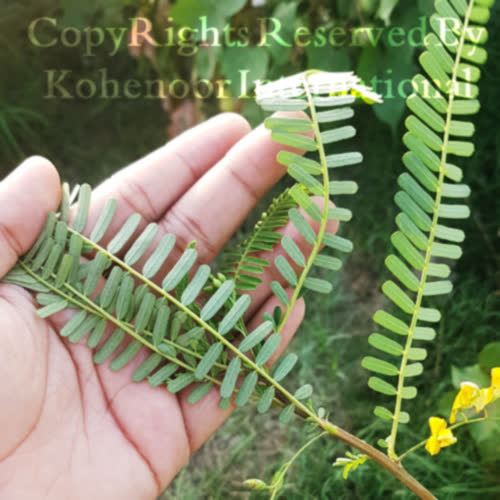
Sesbania provides value beyond soil improvement. Its flowers are prized in Thai and Vietnamese cuisine, its leaves serve as protein-rich livestock fodder (20-25% crude protein), and its rapid growth makes it effective for weed suppression and erosion control on paddy bunds between seasons.

Country-by-Country: Sesbania Applications Across ASEAN

Each Southeast Asian nation has unique agricultural conditions that make sesbania an ideal green manure and cover crop.

🇻🇳 Vietnam — 7.1 Million Hectares of Rice

  • Mekong Delta accounts for over 50% of national rice output with severely depleted soils from triple-cropping
  • Heavy chemical fertilizer use (averaging 400+ kg/ha) is degrading groundwater and soil biology
  • Vietnamese government's Sustainable Agriculture Transformation project actively promotes green manure adoption
  • Sesbania flowers (hoa dinh) are a traditional ingredient in Vietnamese soups and salads
  • Shipping: CIF to Ho Chi Minh City (Cat Lai Port) — 7-10 days from Karachi

🇹🇭 Thailand — 10 Million Hectares of Rice

  • Central Plain rice belt facing soil organic matter decline below 1% in many areas
  • Royal Projects and GAP (Good Agricultural Practice) certification pushing organic and sustainable methods
  • Thailand 4.0 policy promotes reduced chemical inputs and sustainable intensification
  • Sesbania flowers (dok khae) are a beloved ingredient in Thai curries and stir-fries
  • Shipping: CIF to Bangkok (Laem Chabang Port) — 7-10 days from Karachi

🇵🇭 Philippines — 4.7 Million Hectares of Rice

  • Central Luzon and Western Visayas rice bowls experiencing diminishing returns from chemical-intensive farming
  • Department of Agriculture's Organic Agriculture Program (RA 10068) mandates organic farming expansion
  • IRRI (International Rice Research Institute), based in Los Banos, has extensively documented sesbania benefits
  • Typhoon-affected areas benefit from sesbania's rapid growth for soil stabilization and recovery
  • Shipping: CIF to Manila (Port of Manila / MICT) — 10-12 days from Karachi

🇮🇩 Indonesia — 15.5 Million Hectares of Rice

  • Largest rice producer in Southeast Asia with Java and Sulawesi as primary growing regions
  • Soil fertility decline on Java's intensively farmed paddies threatens national food security
  • Government "Go Organic 2020+" initiative promotes biological soil amendments
  • Sesbania's waterlogging tolerance makes it ideal for Indonesia's lowland rice systems
  • Shipping: CIF to Jakarta (Tanjung Priok Port) — 10-12 days from Karachi

🇲🇲 Myanmar — 6.5 Million Hectares of Rice

  • Emerging market with vast rice-growing potential in the Irrawaddy Delta and central dry zone
  • Limited access to chemical fertilizers makes organic alternatives especially valuable
  • Sesbania cultivation aligns with traditional farming practices still prevalent in rural areas
  • Strong demand for dual-purpose use as green manure and livestock fodder
  • Shipping: CIF to Yangon Port — 5-7 days from Karachi

Tropical Green Manure Comparison

How sesbania stacks up against other common tropical green manure crops used in Southeast Asian rice systems.

Attribute Sesbania Crotalaria (Sun Hemp) Mucuna (Velvet Bean)
Nitrogen Fixation (kg/ha) 80-120 kg 60-90 kg 50-80 kg
Growth Period 45-60 days 60-90 days 90-120 days
Waterlogging Tolerance Excellent Poor Moderate
Biomass Production 15-25 t/ha 8-15 t/ha 10-18 t/ha
Decomposition Rate Fast (7-14 days) Moderate (14-21 days) Slow (21-30 days)
Rice Paddy Suitability Ideal Upland only Moderate
Edible Parts Flowers, leaves None Seeds (processed)
Fodder Value High (20-25% protein) Low (toxic alkaloids) Moderate (requires processing)

Why Choose Kohenoor International

Pakistan's most trusted sesbania seed exporter, serving global agriculture since 1957.

98-99% Purity

Multi-stage cleaning and grading ensures consistently high germination rates exceeding 85%, verified by independent lab testing.

📋

Full Certifications

Phytosanitary certificates, fumigation certificates, certificates of origin, and SGS inspection reports provided with every shipment.

🚢

CIF to All ASEAN Ports

Door-to-port delivery to Ho Chi Minh, Bangkok, Manila, Jakarta, and Yangon. Competitive freight rates with trusted shipping lines.

📦

Flexible Packaging

Available in 25 kg and 50 kg PP woven bags with custom labeling. Full container loads (FCL) of 20-26 MT for bulk buyers.

🌱

Non-GMO & Untreated

Natural, untreated seeds compatible with organic certification programs across all Southeast Asian nations.

🤝

67+ Years Experience

Established in 1957, Kohenoor International brings nearly seven decades of agricultural export expertise to every order.
Product Specifications

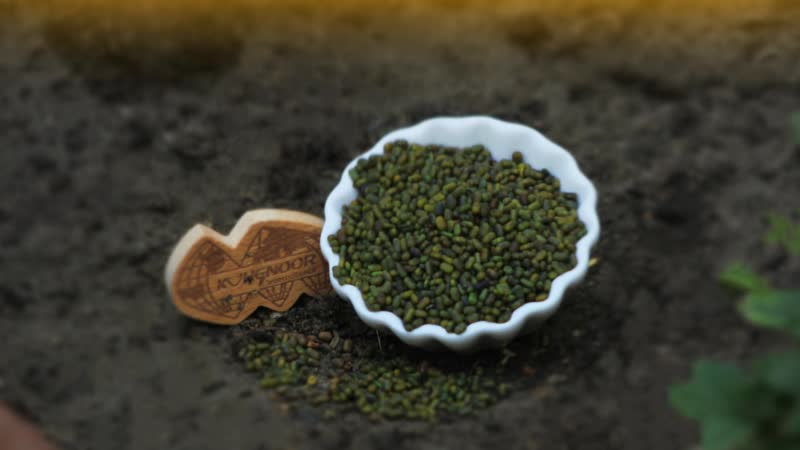
Detailed specifications for Kohenoor International's export-grade sesbania seeds.

ProductSesbania Seeds (Sesbania sesban / S. rostrata / S. cannabina)
OriginPakistan
Purity98-99%
Germination Rate85%+ (under standard test conditions)
Moisture Content≤ 10%
Foreign Matter≤ 1-2%
Seed Size2.5-3.5 mm diameter
ColorOlive green to dark brown
TreatmentUntreated (organic-compatible)
Packaging25 kg / 50 kg PP woven bags
Container Load20-26 MT per 20ft container (FCL)
Seeding Rate30-50 kg/ha (broadcast); 20-30 kg/ha (drilled)
Shelf Life2-3 years (stored in cool, dry conditions)
CertificationsPhytosanitary, Certificate of Origin, Fumigation Certificate, SGS Inspection
Trade TermsFOB Karachi, CIF to destination port, CNF available

Shipping to Southeast Asia

Direct sea freight from Karachi port to all major ASEAN destinations, with full export documentation and customs clearance support.

Ho Chi Minh City
Cat Lai Terminal, Vietnam
7-10 Days
Bangkok
Laem Chabang, Thailand
7-10 Days
Manila
MICT, Philippines
10-12 Days
Jakarta
Tanjung Priok, Indonesia
10-12 Days
Yangon
Myanmar International Terminal
5-7 Days

Shipping Details

  • Departure port: Karachi (Muhammad Bin Qasim / Karachi Port Trust)
  • Container options: 20ft FCL (20-26 MT) or LCL for smaller orders
  • Trade terms: FOB Karachi, CIF destination, or CNF as required
  • Documentation: Bill of Lading, Commercial Invoice, Packing List, Phytosanitary Certificate, Certificate of Origin, Fumigation Certificate
  • Payment terms: L/C at sight, T/T (negotiable for repeat clients)
  • Insurance: Marine cargo insurance available on CIF shipments

Photo Gallery

See our sesbania cultivation, seed quality, and export operations firsthand.

Ready to Order Sesbania Seeds for Southeast Asia?

Contact Kohenoor International today for pricing, samples, and CIF quotations to your port. Our team responds within 24 hours.

Frequently Asked Questions

Common questions from our Southeast Asian buyers and partners.

Sesbania rostrata and Sesbania cannabina are the most effective species for tropical lowland rice systems. Both thrive in waterlogged conditions common in the Mekong Delta, Central Luzon, and Javanese paddies. S. rostrata is particularly notable for its stem-nodulation ability, allowing nitrogen fixation even in flooded conditions. Kohenoor International supplies high-purity seeds of both species suited to Southeast Asian climates.
In Southeast Asian tropical conditions with adequate moisture and temperatures of 25-35 degrees Celsius, sesbania fixes 80-120 kg of nitrogen per hectare within 45-60 days of growth. This is equivalent to 175-260 kg of urea fertilizer, offering significant cost savings for rice farmers while simultaneously improving long-term soil organic matter and biological activity.
Kohenoor International accepts bulk orders starting from 1 metric ton for Southeast Asian markets. We offer flexible packaging in 25 kg and 50 kg PP woven bags, with full container loads (FCL) of 20-26 metric tons in a 20ft container for larger orders. We also accommodate LCL (less than container load) shipments for trial orders. Contact us for custom volume requirements and pricing.
Shipping from Karachi port typically takes 7-10 days to Ho Chi Minh City (Cat Lai) and Bangkok (Laem Chabang), 10-12 days to Manila (MICT) and Jakarta (Tanjung Priok), and 5-7 days to Yangon. We offer CIF (Cost, Insurance, and Freight) delivery to all major Southeast Asian ports with complete export documentation including phytosanitary certificates, certificates of origin, and fumigation certificates.
Yes. Our sesbania seeds are non-GMO and untreated (no chemical seed coatings or treatments), making them fully compatible with organic certification programs across Southeast Asia. This includes Thailand's Organic Thailand standard, the Philippines' Department of Agriculture Organic Program under RA 10068, Vietnam's PGS (Participatory Guarantee System) organic guidelines, and Indonesia's organic certification under SNI standards.
Absolutely. Sesbania leaves contain 20-25% crude protein, making them excellent supplemental fodder for cattle, goats, poultry, and fish (in aquaculture systems common in Vietnam and Thailand). In Southeast Asia, sesbania flowers are also used in traditional Thai and Vietnamese cuisine — dok khae in Thai curries and hoa dinh in Vietnamese soups — providing additional economic value beyond soil improvement. This multi-use potential makes sesbania one of the most versatile green manure crops available.